
Duplicate financing checks in trade finance: how they work
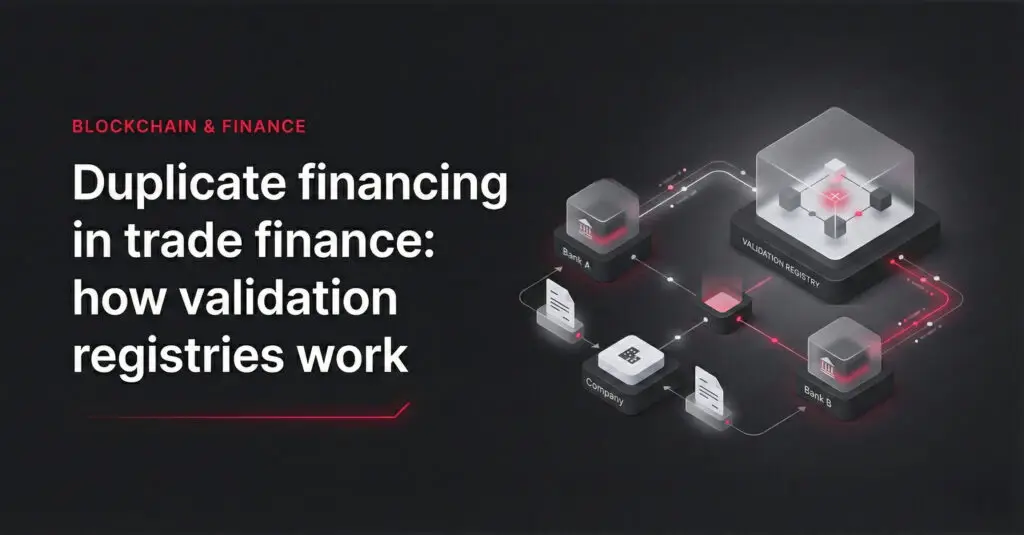
How validation registries detect duplicate financing without exposing competitors’ data, and what banks integrate via APIs and existing networks.
Electronic bill of lading: adoption and implementation basics of eBL
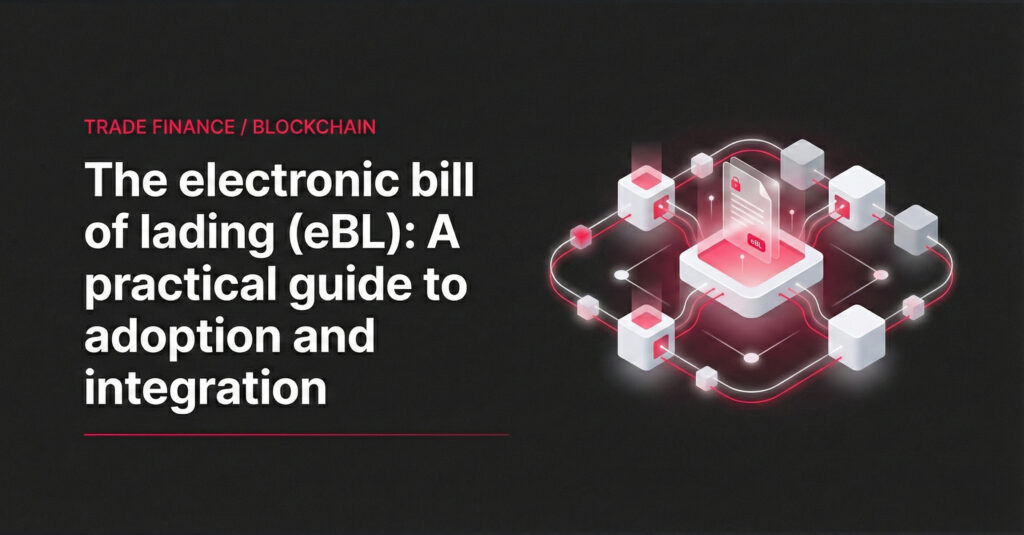
The electronic bill of lading (eBL) is quickly becoming the focal point of trade digitisation. Today, trade finance still runs on paper: letters of credit, invoices, certificates and bills of lading move between banks, carriers, buyers, sellers and customs authorities as physical documents or static PDFs. They travel slowly, they get lost, and they can […]
Governance for digital trade networks: how to design for adoption
Trade finance still runs largely on paper. Letters of credit, bills of lading, invoices, and certificates pass between banks, shipping lines, buyers, sellers, and customs authorities. The first wave of blockchain platforms promised to change this. They put key documents and events onto shared ledgers. Several high-profile consortia launched trade networks, attracted major banks and […]
Blockchain in trade finance: what changed and what works in 2026
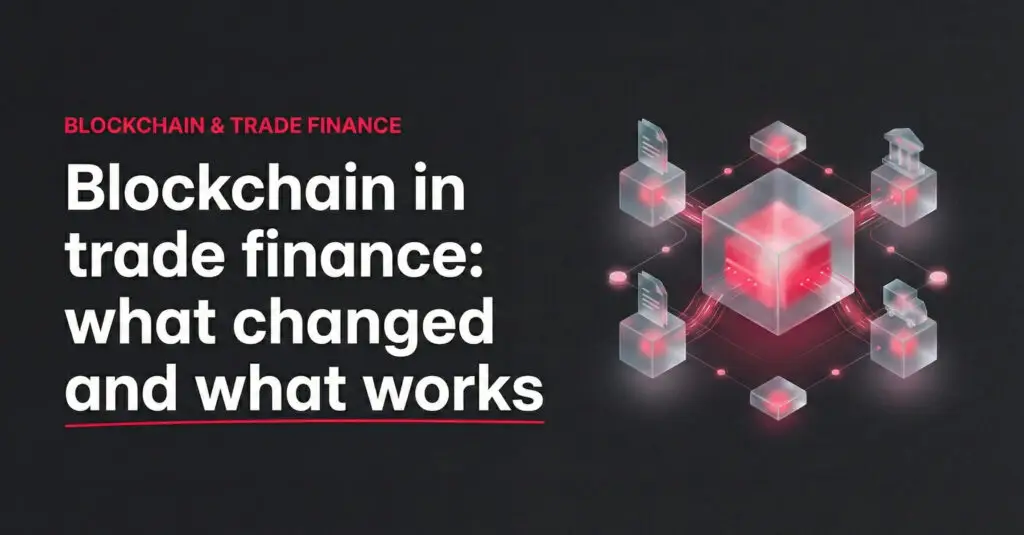
Trade finance still depends heavily on paper. Letters of credit, bills of lading, invoices, and certificates of origin move between banks, shipping lines, importers, exporters, and customs authorities. Most travel as physical documents or PDFs. Each party maintains its own records, reconciliation stays manual, and the process remains slow, expensive, and open to fraud. When […]